


Drew Dowdell
-
Joined
-
Last visited
Everything posted by Drew Dowdell
-
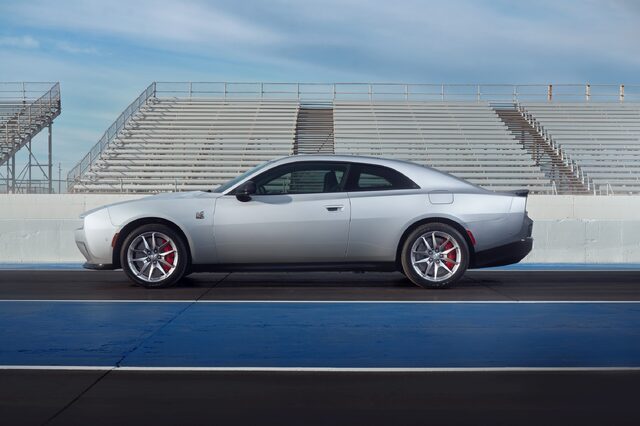
From the album: 2024 Dodge Charger
-
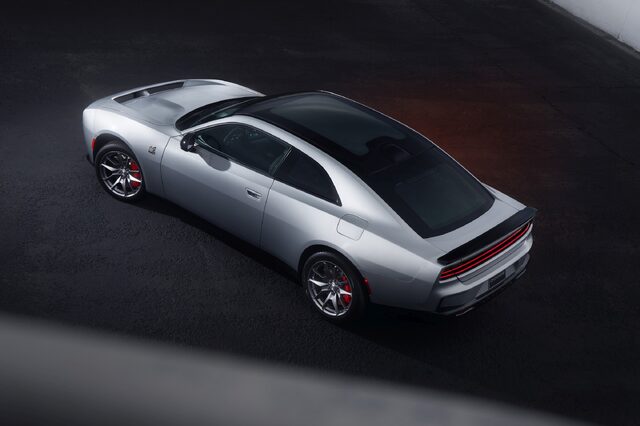
From the album: 2024 Dodge Charger
-
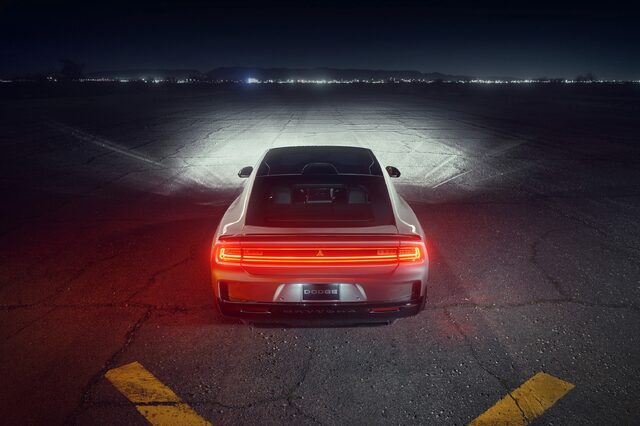
From the album: 2024 Dodge Charger
-
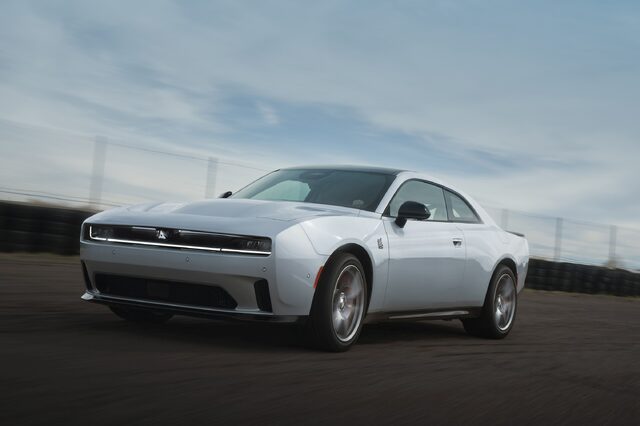
From the album: 2024 Dodge Charger
-
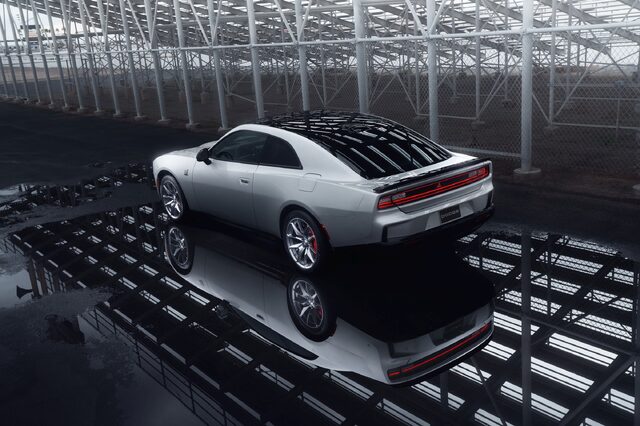
From the album: 2024 Dodge Charger
-
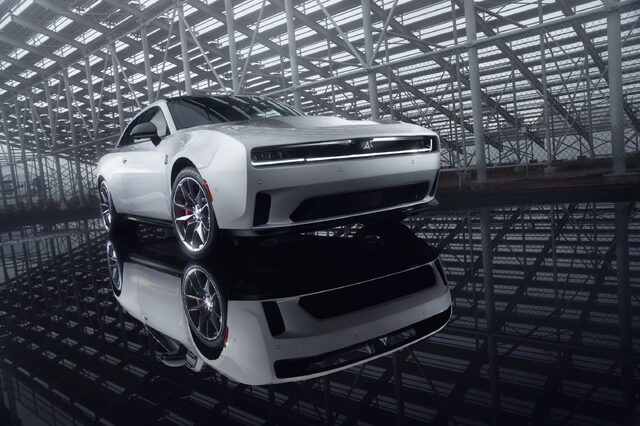
From the album: 2024 Dodge Charger
-
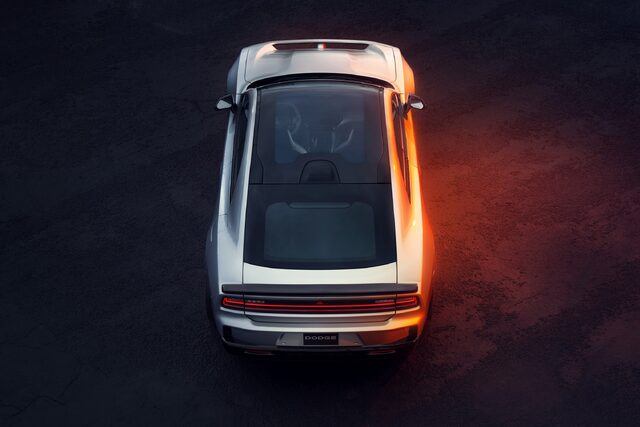
From the album: 2024 Dodge Charger
-
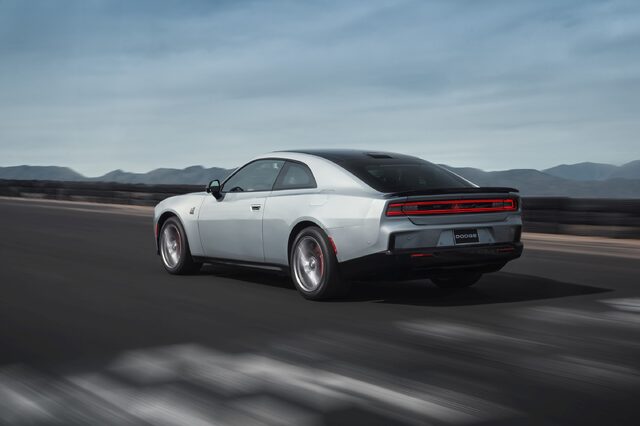
From the album: 2024 Dodge Charger
-
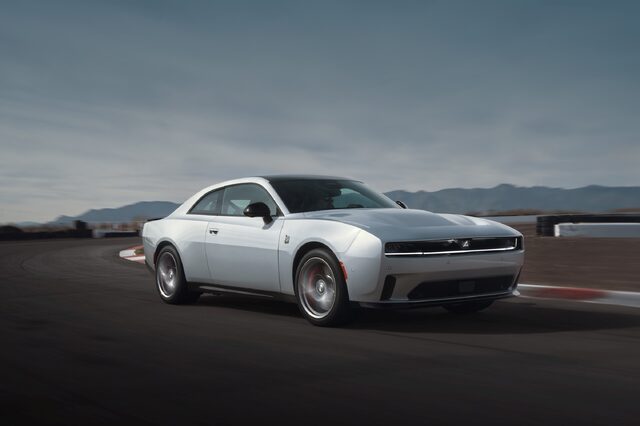
From the album: 2024 Dodge Charger
-
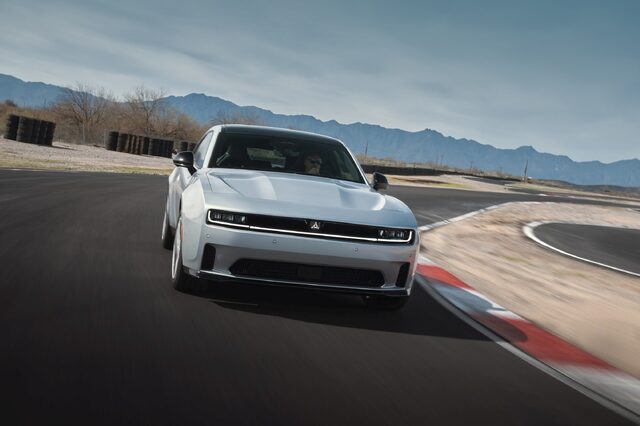
From the album: 2024 Dodge Charger
-
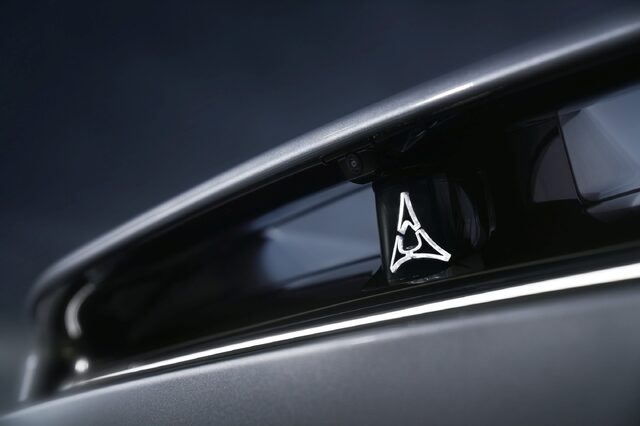
From the album: 2024 Dodge Charger
-
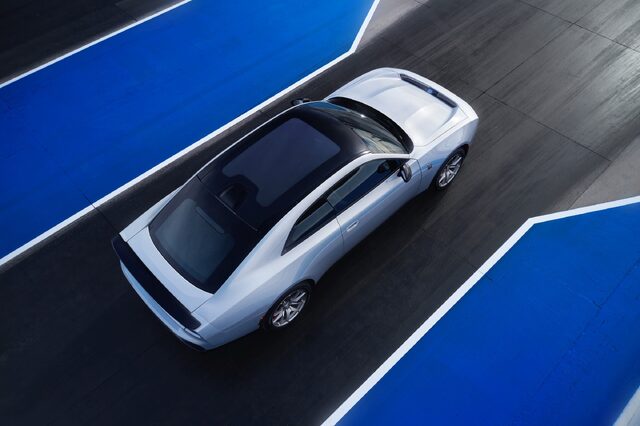
From the album: 2024 Dodge Charger
-
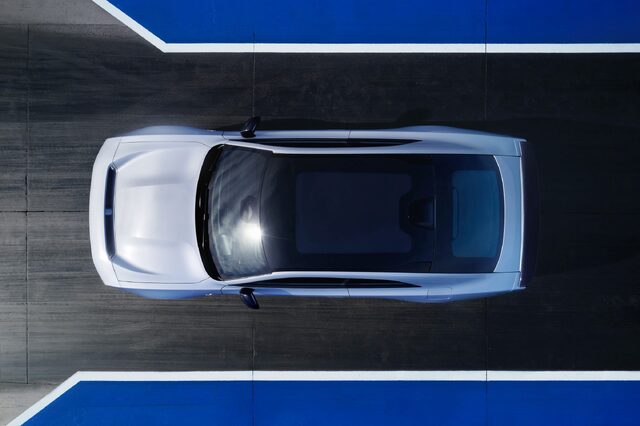
From the album: 2024 Dodge Charger
-
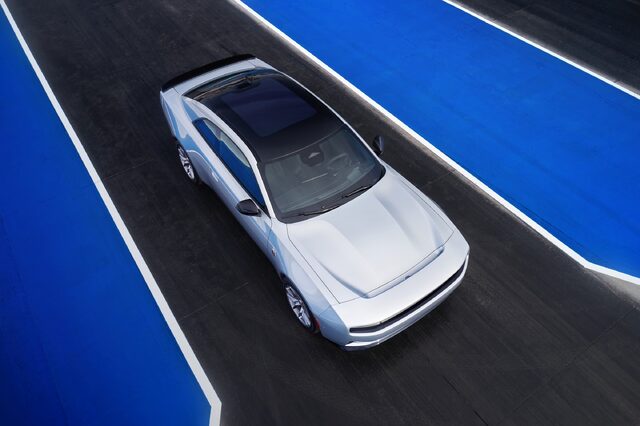
From the album: 2024 Dodge Charger
-
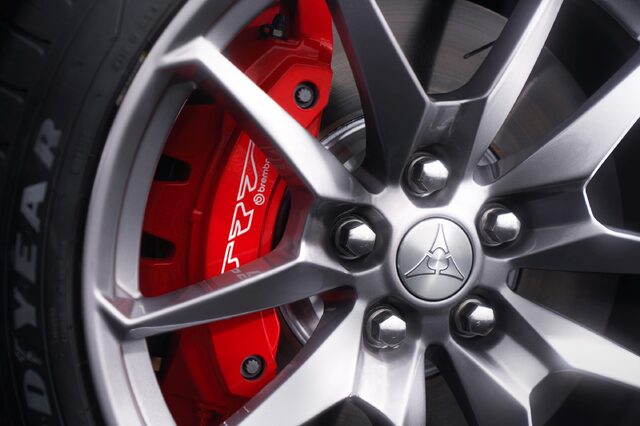
From the album: 2024 Dodge Charger
-
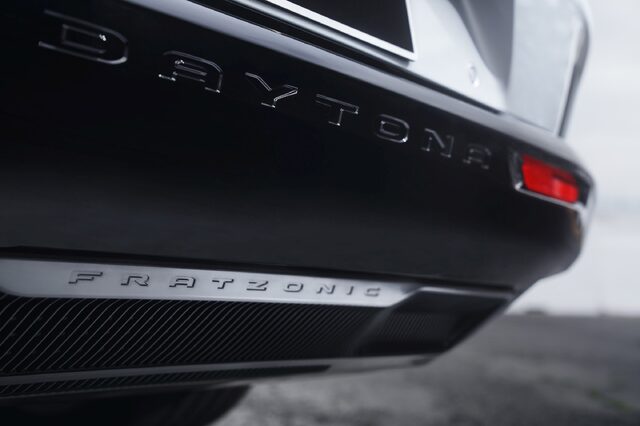
From the album: 2024 Dodge Charger
-
I mean... is anyone going to notice? Jaguar sold like 8,000 cars in the US last year and 43,000 globally. It sounds like they're building up a couple of years of inventory to cover it. I think even Alfa Romeo would laugh at that. For comparison, they sold 280,000 Land Rover / Range Rover / Defenders globally.
-
Ford was early to the electric work van market with the E-Transit and quickly become the best selling electric van on the market, not just in the U.S., but Canada and Europe as well. According to Ford, E-Transit customers have saved over 3 million gallons of gasoline since the E-Transit went on the market in 2022. For 2024, Ford has brought several welcome changes. The most impactful is a range increase on the low-roof model from 126 miles per charge to 159 miles per charge. This range increase comes from a new 89 kWh battery that replaces the 68 kWh version from last year. The additional power unlocks new electric solutions for the vehicle like refrigerated delivery. This change represents a 26 percent increase for low-roof models and up to a 32 percent increase for high-roof versions. Electric motor performance remains the same at 266 horsepower and 317 lb.-ft of torque. The entire E-Transit lineup has Ford Pro Power available, giving 2.4 kW of power to operate a laptop, power tools, or other equipment. In addition to the larger range, the E-Transit can now charge faster with a peak rate of 176 kW. When connected to a DC-Fast charger with greater than a 180 kW capacity, the E-Transit can take on an estimated 67 miles of range in just 15 minutes. E-Transit also now has access to the Tesla SuperCharger network when paired with a complimentary NACS to CCS charging adapter from Ford. All previous E-Transit customers from model years 2022 and newer are eligible to receive one free NACS adapter per vin. Drivers can charge seamlessly at Tesla SuperCharger stations with plug-and-charge. Charging sessions are billed directly through Ford's existing Ford Pro Public Charging network. Only 250 kW Tesla SuperCharger stations can be used by Ford drivers, and their locations will show in the Ford BlueOval Charging app, but with 15,000+ eligible SuperCharger locations in addition to the 13,000 DC-Fast charging plugs already available, E-Transit drivers will have no problem locating a place to charge up. To request a complimentary NACS charger, existing E-Transit owners can use the BlueOval app or visit https://ford.com/FastChargingAdapter The E-Transit is available in van, cutaway, and chassis cab models, with hundreds of upfitters available for customization. The enhanced range 2024 E-Transit will open for orders in a few months, with the first deliveries expected later this year. Similar to Ford cutting prices on the Ford Mustang Mach-E, pricing of the E-Transit starts at $51,095, a $400 reduction over the 2023 model, with possible tax credits of up to $7,500 per vehicle. Related: Ford Offering Free Tesla Charger Adapter to Ford Lightning and Mach-E Owners US Postal Service Buys 9,000+ Ford E-Transits Ford EV Access to Tesla Supercharging Opens Ford Slashes Ford Mach-E Price View full article
-
 Ford was early to the electric work van market with the E-Transit and quickly become the best selling electric van on the market, not just in the U.S., but Canada and Europe as well. According to Ford, E-Transit customers have saved over 3 million gallons of gasoline since the E-Transit went on the market in 2022. For 2024, Ford has brought several welcome changes. The most impactful is a range increase on the low-roof model from 126 miles per charge to 159 miles per charge. This range increase comes from a new 89 kWh battery that replaces the 68 kWh version from last year. The additional power unlocks new electric solutions for the vehicle like refrigerated delivery. This change represents a 26 percent increase for low-roof models and up to a 32 percent increase for high-roof versions. Electric motor performance remains the same at 266 horsepower and 317 lb.-ft of torque. The entire E-Transit lineup has Ford Pro Power available, giving 2.4 kW of power to operate a laptop, power tools, or other equipment. In addition to the larger range, the E-Transit can now charge faster with a peak rate of 176 kW. When connected to a DC-Fast charger with greater than a 180 kW capacity, the E-Transit can take on an estimated 67 miles of range in just 15 minutes. E-Transit also now has access to the Tesla SuperCharger network when paired with a complimentary NACS to CCS charging adapter from Ford. All previous E-Transit customers from model years 2022 and newer are eligible to receive one free NACS adapter per vin. Drivers can charge seamlessly at Tesla SuperCharger stations with plug-and-charge. Charging sessions are billed directly through Ford's existing Ford Pro Public Charging network. Only 250 kW Tesla SuperCharger stations can be used by Ford drivers, and their locations will show in the Ford BlueOval Charging app, but with 15,000+ eligible SuperCharger locations in addition to the 13,000 DC-Fast charging plugs already available, E-Transit drivers will have no problem locating a place to charge up. To request a complimentary NACS charger, existing E-Transit owners can use the BlueOval app or visit https://ford.com/FastChargingAdapter The E-Transit is available in van, cutaway, and chassis cab models, with hundreds of upfitters available for customization. The enhanced range 2024 E-Transit will open for orders in a few months, with the first deliveries expected later this year. Similar to Ford cutting prices on the Ford Mustang Mach-E, pricing of the E-Transit starts at $51,095, a $400 reduction over the 2023 model, with possible tax credits of up to $7,500 per vehicle. Related: Ford Offering Free Tesla Charger Adapter to Ford Lightning and Mach-E Owners US Postal Service Buys 9,000+ Ford E-Transits Ford EV Access to Tesla Supercharging Opens Ford Slashes Ford Mach-E Price
 -
In February of 2021, Jaguar announced that it would become an all-electric brand by 2025, a feat that, if achieved, would make it the first legacy brand to make that transition. Later this year, the last three gas-powered Jaguar models (E-Pace, F-Pace, and XF Sedan) will end production well before the electric replacements are ready. Jaguar is building up some inventory to carry it through the production crunch, but it is only able to do that because the brand's sales have fallen from 179,000 units in 2017 to 43,000 units globally. The first of three new EVs arrives in mid-2025 with a followup model later that year and the final of the trio in 2026. All three will be based on Jaguar's new JEA (Jaguar Electric Architecture) platform, unrelated to the current Jaguar I-Pace. Starting with a high-dollar grand touring sedan, Jaguar intends to take aim at competitors like the Porsche Taycan and Audi e-tron GT. And while Jaguar does claim the new four-door GT will be the most powerful Jaguar ever (that crown is currently held by the top F-type with 575 horsepower), they are aiming for a more generous range than the direct competition with 430 miles on the WLTP test or roughly 400 miles when the EPA gets their hands on it. Unfortunately, the full-size Jaguar XJ has been killed again before it got resurrected. When the gasoline XJ went out of production, Jaguar said the XJ would return as an EV, but that plan was scuttled back in 2021 and no XJ is forthcoming. By the end of the year, even the I-Pace crossover will end production, potentially leaving Jaguar with zero vehicles in production if there are delays with the four-door GT. The I-Pace never made a mark on the market with a $73,000+ starting price and a 246 mile range. Related: Jaguar I-Pace Gets More Range From Software Update Rumorpile: F-Type Could Offer An Electric Powertrain View full article
-
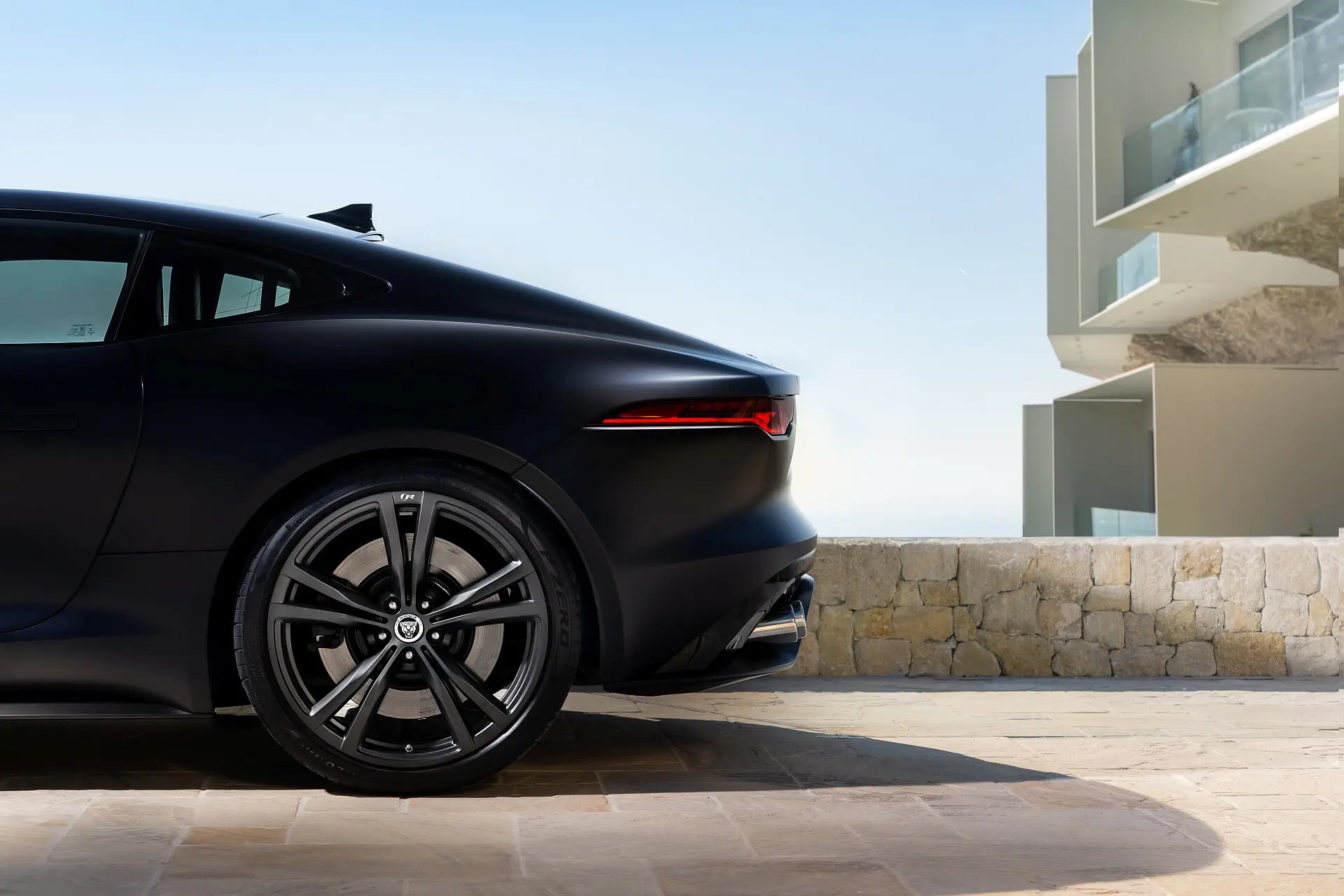 In February of 2021, Jaguar announced that it would become an all-electric brand by 2025, a feat that, if achieved, would make it the first legacy brand to make that transition. Later this year, the last three gas-powered Jaguar models (E-Pace, F-Pace, and XF Sedan) will end production well before the electric replacements are ready. Jaguar is building up some inventory to carry it through the production crunch, but it is only able to do that because the brand's sales have fallen from 179,000 units in 2017 to 43,000 units globally. The first of three new EVs arrives in mid-2025 with a followup model later that year and the final of the trio in 2026. All three will be based on Jaguar's new JEA (Jaguar Electric Architecture) platform, unrelated to the current Jaguar I-Pace. Starting with a high-dollar grand touring sedan, Jaguar intends to take aim at competitors like the Porsche Taycan and Audi e-tron GT. And while Jaguar does claim the new four-door GT will be the most powerful Jaguar ever (that crown is currently held by the top F-type with 575 horsepower), they are aiming for a more generous range than the direct competition with 430 miles on the WLTP test or roughly 400 miles when the EPA gets their hands on it. Unfortunately, the full-size Jaguar XJ has been killed again before it got resurrected. When the gasoline XJ went out of production, Jaguar said the XJ would return as an EV, but that plan was scuttled back in 2021 and no XJ is forthcoming. By the end of the year, even the I-Pace crossover will end production, potentially leaving Jaguar with zero vehicles in production if there are delays with the four-door GT. The I-Pace never made a mark on the market with a $73,000+ starting price and a 246 mile range. Related: Jaguar I-Pace Gets More Range From Software Update Rumorpile: F-Type Could Offer An Electric Powertrain
 -
-
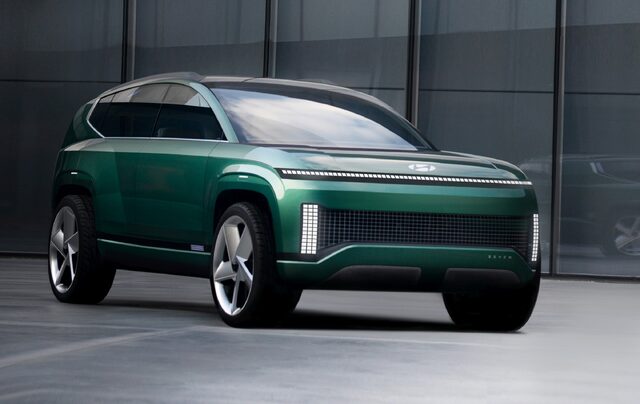 2021 Hyundai SEVEN Concept 002.jpg
-
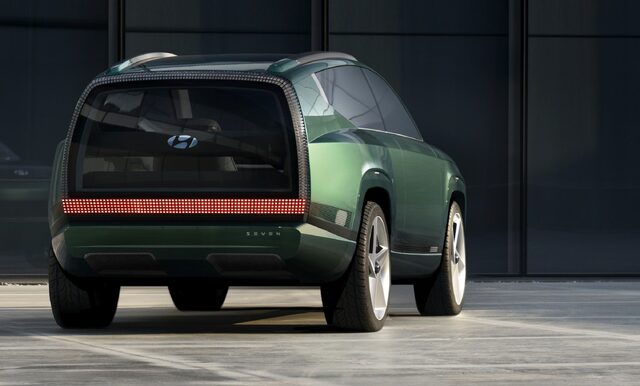 2021 Hyundai SEVEN Concept 001.jpg
-
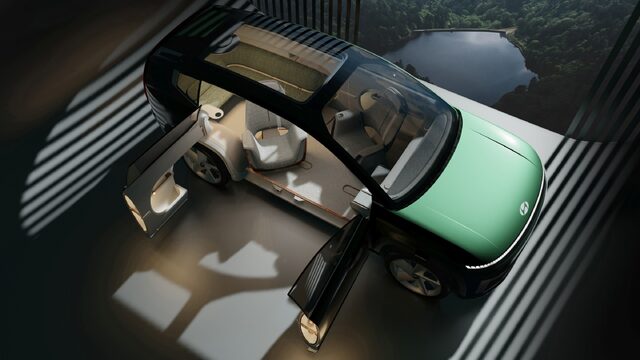 2021 Hyundai SEVEN Concept 005.jpg
-
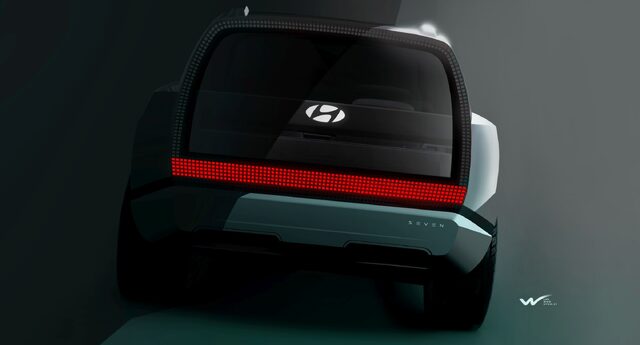 2021 Hyundai SEVEN Concept 004.jpg
-
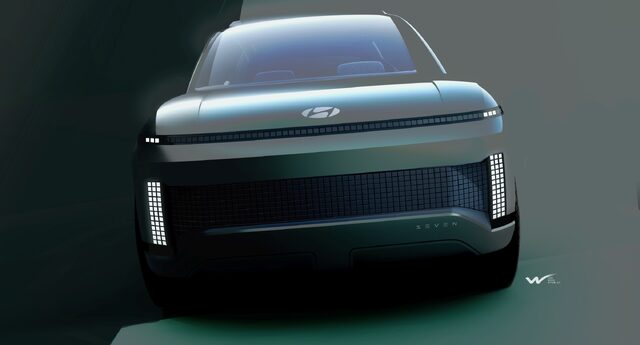 2021 Hyundai SEVEN Concept 003.jpg
-
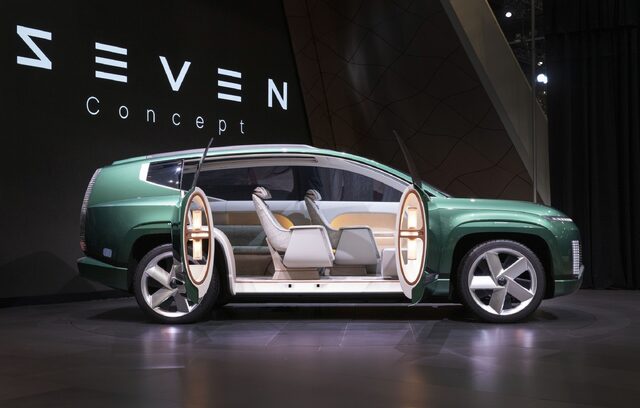 2021 Hyundai SEVEN Concept 007.jpg
-
 2021 Hyundai SEVEN Concept 006.jpg
-
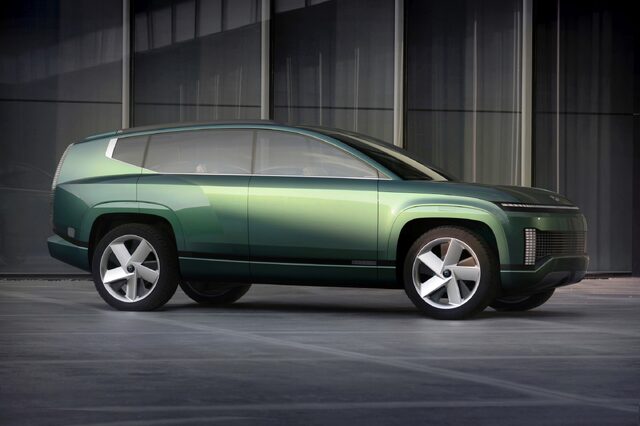 2021 Hyundai SEVEN Concept 009.jpg
-
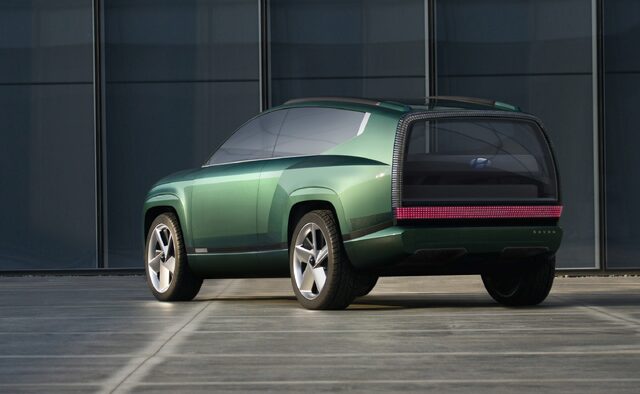 2021 Hyundai SEVEN Concept 008.jpg
-
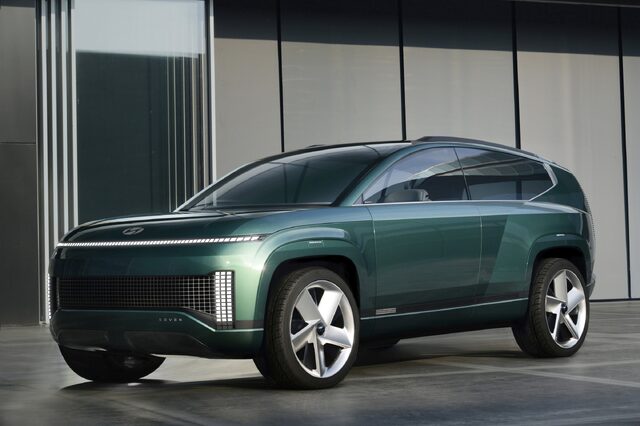 2021 Hyundai SEVEN Concept 011.jpg
-
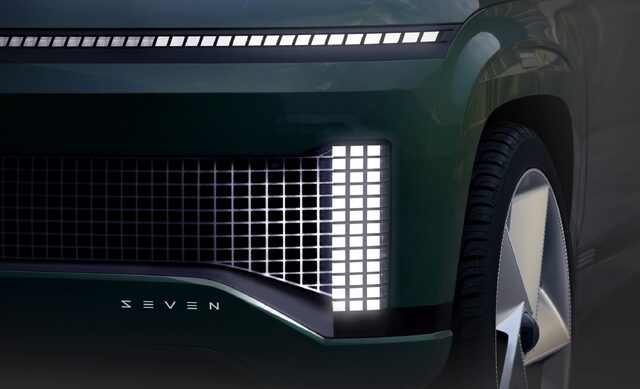 2021 Hyundai SEVEN Concept 010
-
-
From the album: 2021 Hyundai SEVEN Concept
-
From the album: 2021 Hyundai SEVEN Concept
-
From the album: 2021 Hyundai SEVEN Concept


