


Drew Dowdell
Editor-in-Chief
-
Joined
-
Last visited
Everything posted by Drew Dowdell
-
You can save those for the "unpopular opinion about a popular car" thread that I'll start next week. ?
-
I've seen a couple of these wandering around in Pittsburgh and they're sharp little compacts. Haven't driven one yet.
-
The first digit in the VIN indicates the vehicle’s country of origin, or final point of assembly
-
-
I really liked the old Infiniti J30, but I was too young to buy one when they were out and by the time I could afford them, they had all been trashed.
-
I didn't imply that it did effect US sales. EU sales are up. I agree with the general premise that Musk is the liability, the problem is that he's been the liability for years and it may be too late. Spending all that money to get those stupid doors on the Model X when people would have bought it with normal doors anyway put Tesla at least a year behind in getting the Model X out the door right when SUV sales were spiking. Other OEMs already have their manufacturing in China. Cadillac builds Chinese Cadillacs in China. Buick builds Chinese Buicks in China or other non-US places like Korea. Ford is going to be building Lincolns in China. Tesla hasn't finished their factory there and it will be a while before it will be online and pushing out cars (now the question is, "if ever?"). So a $35k Model 3 now bases at $75k equivalent in China due to the tariffs. Also.... no. Incentive Spending on the Rise As More Vehicles Loiter on Lots
-
Frames for one...
-
-
Interesting that they blame most of it on Musk, but a large chunk of the failure is also directly a result of Trump's trade war with China.
-
A rumor has been leaked that the next generation of Toyota Tundra, coming in 2021, would have a twin-turbo V6 combined with an electric motor for its top trim trucks. The tipster posted to TFLtruck.com saying that the new motor would be based on the existing 3.5-liter turbocharged V6 found in the Lexus LS and LC 500h. It would have around 450 hp and 500 lb-ft of torque and able to achieve over 30 mpg highway. In the Lexi, the engine produces 354 hp and 369 lb-ft of torque and manages 33 mpg highways. Our suspicion is that Toyota is making up the deficit by filling the bigger Tundra with bigger electric motors and adding an expected 10-speed automatic, up from the current 6-speed. Currently, the Tundra uses two V8s for its powertrain, a 4.6 liter making 310hp and 327 lb-ft of torque and a 5.7 liter making 381hp and 401 lb-ft of torque. Neither engine gets better than 20 mpg currently. The next generation Toyota Tundra will be using an all-new platform dubbed F1 and will likely remain in Texas for production. View full article
-
 A rumor has been leaked that the next generation of Toyota Tundra, coming in 2021, would have a twin-turbo V6 combined with an electric motor for its top trim trucks. The tipster posted to TFLtruck.com saying that the new motor would be based on the existing 3.5-liter turbocharged V6 found in the Lexus LS and LC 500h. It would have around 450 hp and 500 lb-ft of torque and able to achieve over 30 mpg highway. In the Lexi, the engine produces 354 hp and 369 lb-ft of torque and manages 33 mpg highways. Our suspicion is that Toyota is making up the deficit by filling the bigger Tundra with bigger electric motors and adding an expected 10-speed automatic, up from the current 6-speed. Currently, the Tundra uses two V8s for its powertrain, a 4.6 liter making 310hp and 327 lb-ft of torque and a 5.7 liter making 381hp and 401 lb-ft of torque. Neither engine gets better than 20 mpg currently. The next generation Toyota Tundra will be using an all-new platform dubbed F1 and will likely remain in Texas for production.
 -
Do you have an unpopular opinion about an unpopular car? Shout it out here. Here's one of mine: The first FWD generation of the Impala was actually a handsome car.

-
General Motors and Bechtel are teaming up to form a new company to deploy a widespread fast-charging network. Neither company plans to put any money into the project, outside investors are being solicited. The network will help General Motors, which plans to introduce 20 new EVs by 2023. It will also help other manufacturers of EVs. General Motors will provide data to help decide where to locate the EV charging stations and Bechtel will use its own experts for the engineering and building of the stations. Much of the data will come from GM's OnStar system to help learn where people tend to park. Data from both electric and gasoline powered vehicles will be used. Additional fast-charging infrastructure is seen as a requirement to increasing electric vehicle sales. According to a survey by AAA, one of the biggest concerns Americans have about EVs is having enough locations to charge them. The network built by Bechtel and GM will not be limited to interstate highways where most fast charging stations have been located so far. The company will also locate chargers in urban areas targeting apartments and condos where drivers cannot have a home charger of their own. The new venture joins major initiatives from Electrify America, a Volkswagen funded EV station program, and Tesla with Supercharging, to build out a nationwide network of charging stations. View full article
-
 General Motors and Bechtel are teaming up to form a new company to deploy a widespread fast-charging network. Neither company plans to put any money into the project, outside investors are being solicited. The network will help General Motors, which plans to introduce 20 new EVs by 2023. It will also help other manufacturers of EVs. General Motors will provide data to help decide where to locate the EV charging stations and Bechtel will use its own experts for the engineering and building of the stations. Much of the data will come from GM's OnStar system to help learn where people tend to park. Data from both electric and gasoline powered vehicles will be used. Additional fast-charging infrastructure is seen as a requirement to increasing electric vehicle sales. According to a survey by AAA, one of the biggest concerns Americans have about EVs is having enough locations to charge them. The network built by Bechtel and GM will not be limited to interstate highways where most fast charging stations have been located so far. The company will also locate chargers in urban areas targeting apartments and condos where drivers cannot have a home charger of their own. The new venture joins major initiatives from Electrify America, a Volkswagen funded EV station program, and Tesla with Supercharging, to build out a nationwide network of charging stations.
 -
Was there as wide a variety of tire sizes back then as there are today? I would imagine it was a lot simpler getting tires then as they'd almost all be a specific size like 22" don't care about the width.
-
The Renault Master and Ram ProMaster could be merged into a single product. The Kangoo could become a ProMaster City. Fiat the brand could be saved by platform sharing with some of Renault's small cars. Dodge and Chrysler could be saved with Renault's mid-range vehicles. The issue will be Nissan's reaction. But Renault owns 45% of Nissan, so they might not have much say. I wonder if this would also give FCA a controlling interest in Nissan or if Renault would divest themselves first. New name.... FCAR?
-
It's not by accident that the savings FCA says will come from the deal are almost exactly equal to the savings Renault gets from the alliance.
-
"stable" ones at that
-
FCA has sent a merger proposal to Renault in what would start as an operational tie-up leading to a full merger. The proposal is a 50/50 deal that will not involve Nissan or Mitsubishi and it estimated to be worth around $33 billion. Few details have been revealed, however, Renault's board said it would issue a press release after the meeting. Rumor has it that Renault is negotiating with FCA without the approval from Nissan or Mitsubishi. If the merger does go through, it would happen over the next 12 months and the combined companies would rank 3rd in the world in terms of production, just behind Toyota and Volkswagen. One complication to the deal is the French government's 15% stake in Renault. FCA has offered a guarantee to keep existing production locations but left the door open for white-collar job cuts. This comes after FCA turned down a merger proposal from PSA back in March of this year. View full article
-
 FCA has sent a merger proposal to Renault in what would start as an operational tie-up leading to a full merger. The proposal is a 50/50 deal that will not involve Nissan or Mitsubishi and it estimated to be worth around $33 billion. Few details have been revealed, however, Renault's board said it would issue a press release after the meeting. Rumor has it that Renault is negotiating with FCA without the approval from Nissan or Mitsubishi. If the merger does go through, it would happen over the next 12 months and the combined companies would rank 3rd in the world in terms of production, just behind Toyota and Volkswagen. One complication to the deal is the French government's 15% stake in Renault. FCA has offered a guarantee to keep existing production locations but left the door open for white-collar job cuts. This comes after FCA turned down a merger proposal from PSA back in March of this year.
 -
-
Car Cruise in Irwin PA yesterday.
-
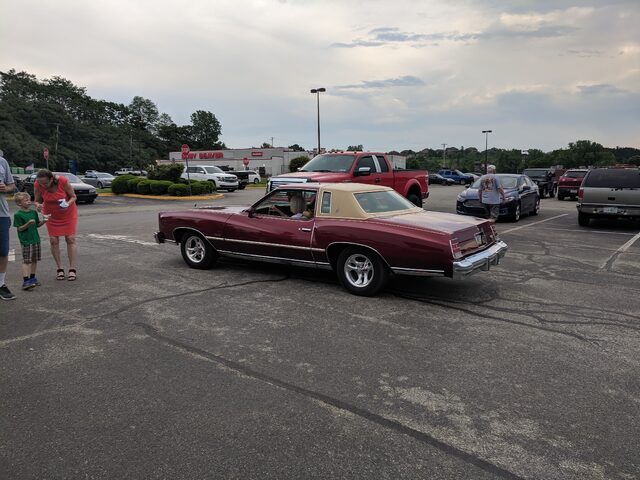
From the album: Irwin PA Car Cruise - 5/25/2019
-
Car Cruise in Irwin PA on 5/25/2019
-
IMG_20190525_191737.jpg
-
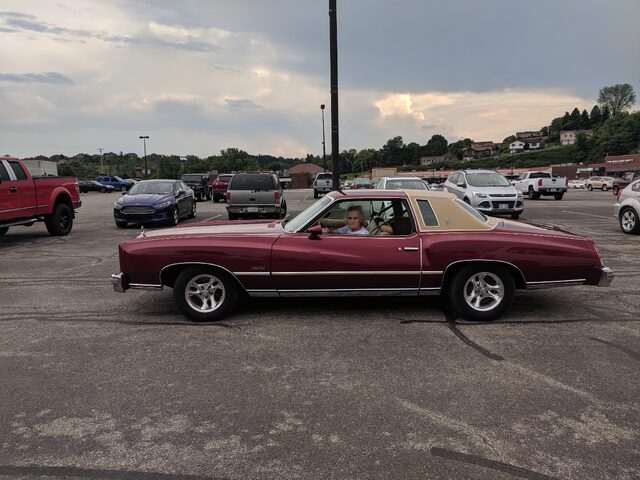 IMG_20190525_191733.jpg
-
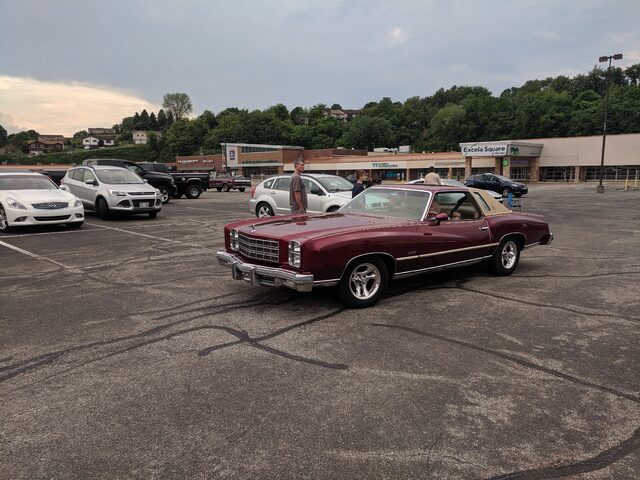 IMG_20190525_191720.jpg
-
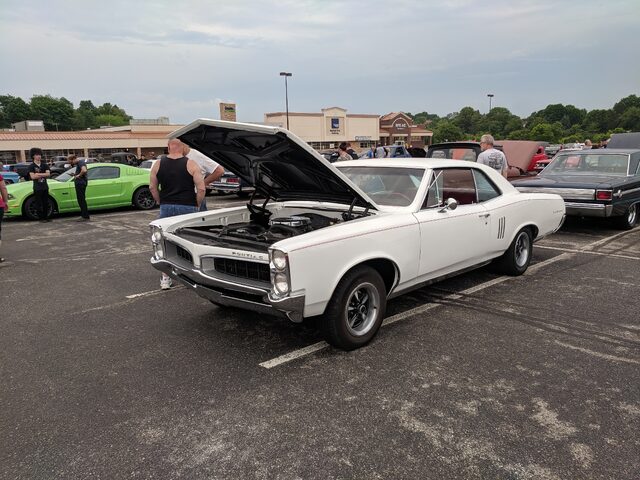 IMG_20190525_191658.jpg
-
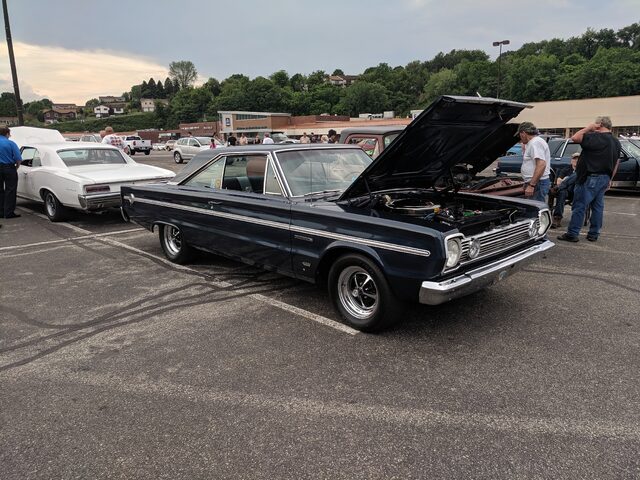 IMG_20190525_191637.jpg
-
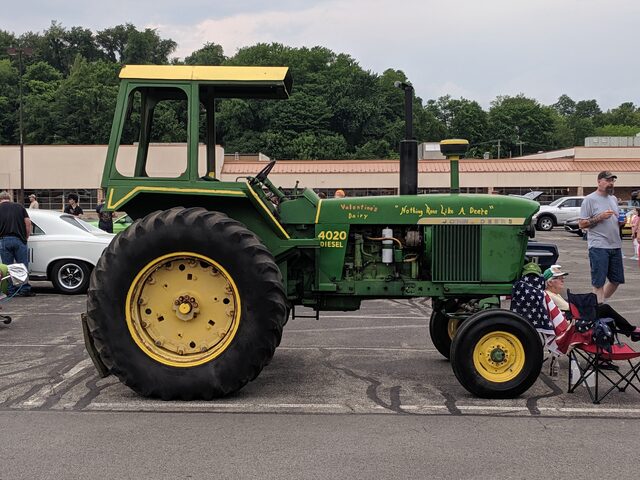 IMG_20190525_191545.jpg
-
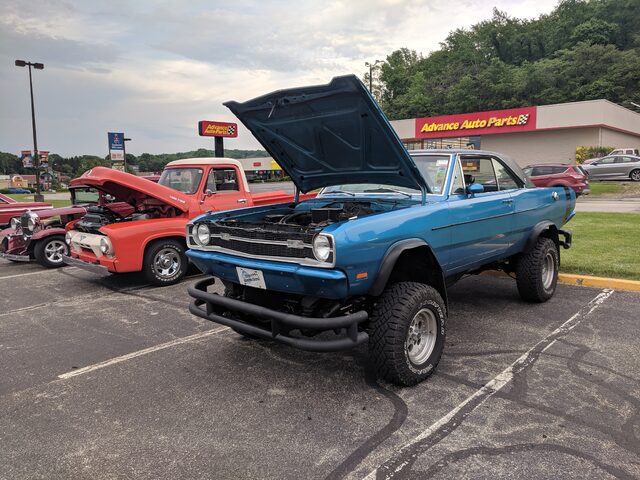 IMG_20190525_191509.jpg
-
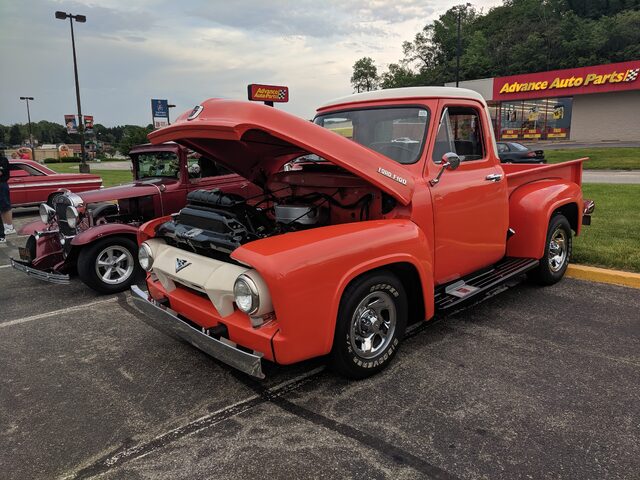 IMG_20190525_191457.jpg
-
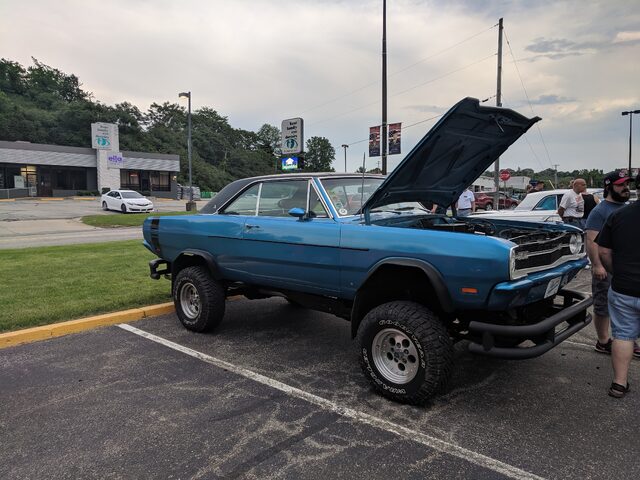 IMG_20190525_191441.jpg
-
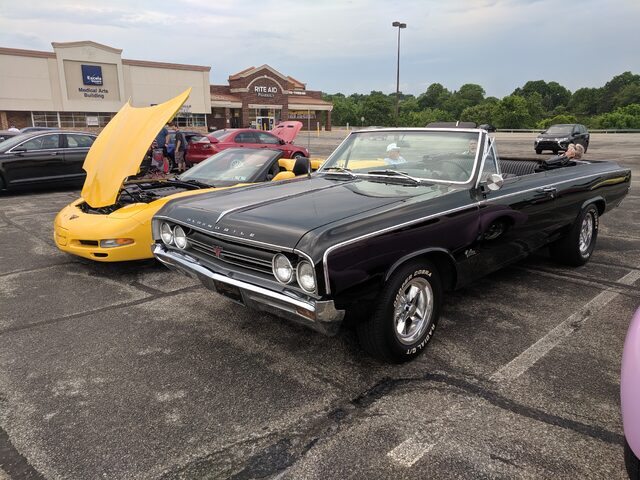 IMG_20190525_191319.jpg
-
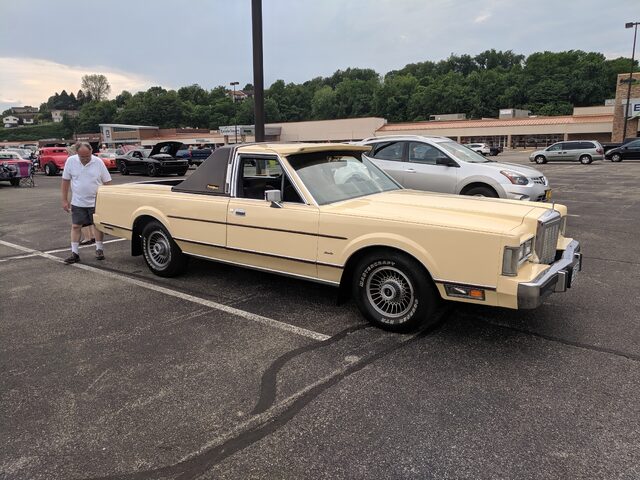 IMG_20190525_191233.jpg
-
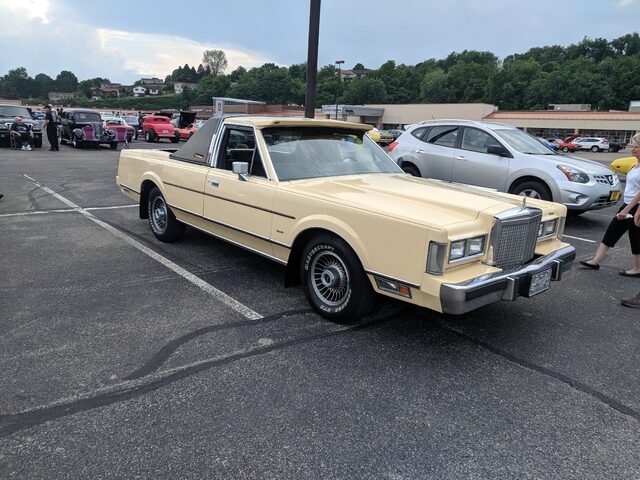 IMG_20190525_191209.jpg
-
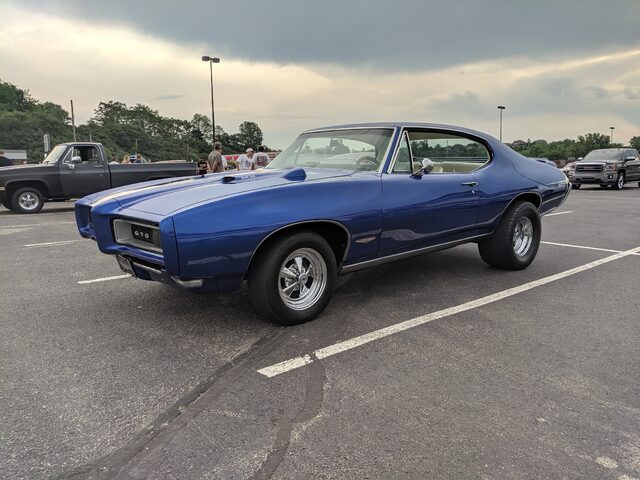 IMG_20190525_192954.jpg
-
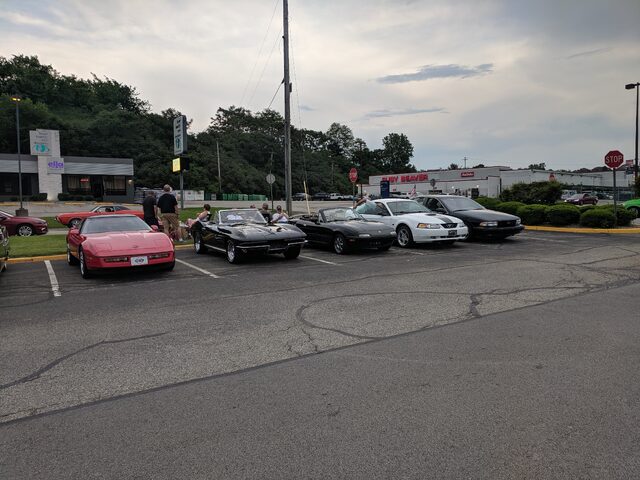 IMG_20190525_192303.jpg
-
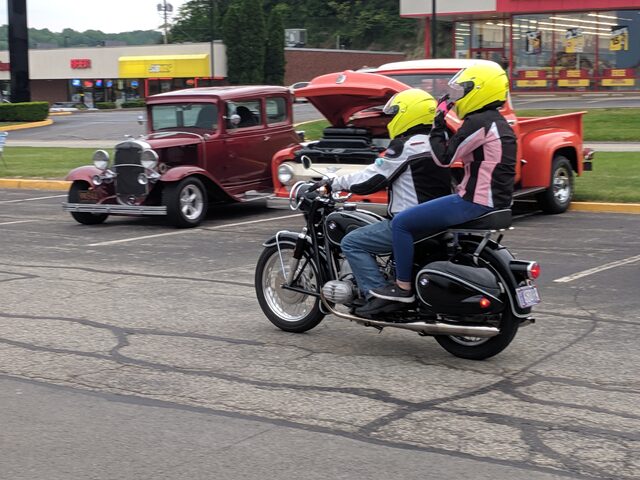 IMG_20190525_192218.jpg
-
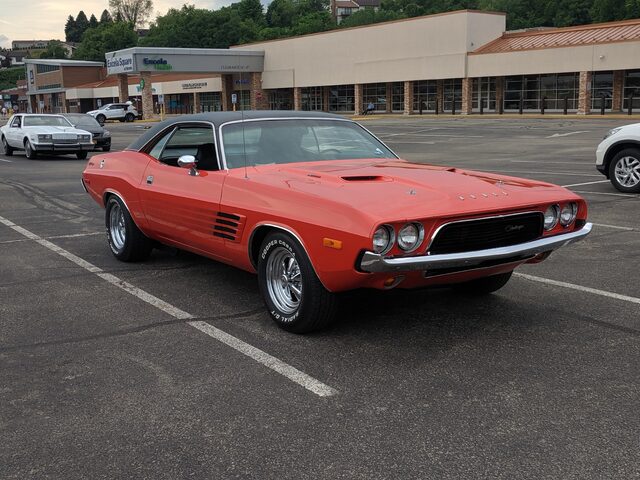 IMG_20190525_192043.jpg
-
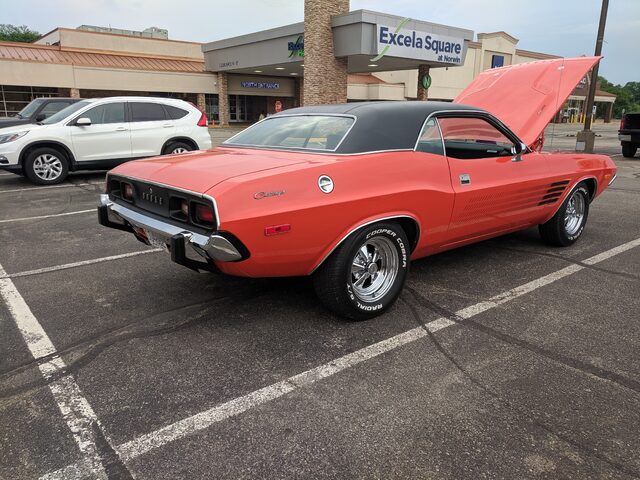 IMG_20190525_192026.jpg
-
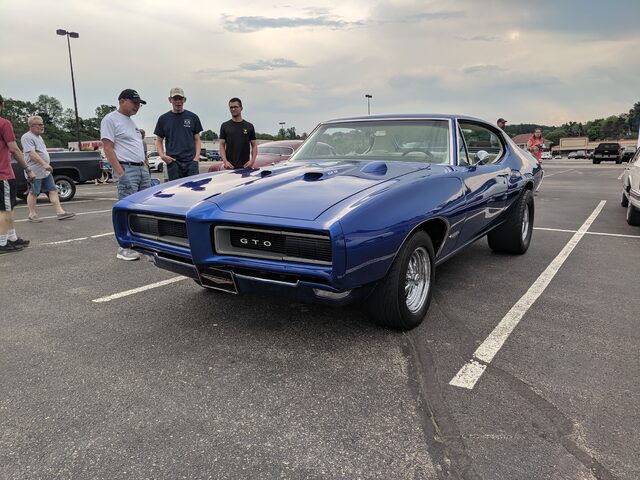 IMG_20190525_191958.jpg
-
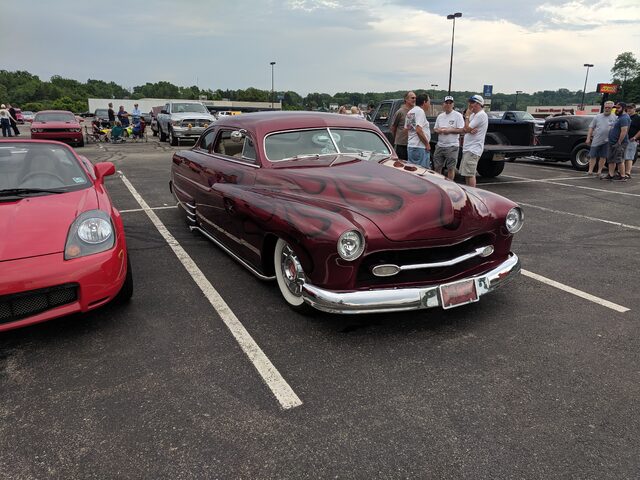 IMG_20190525_191929.jpg
-
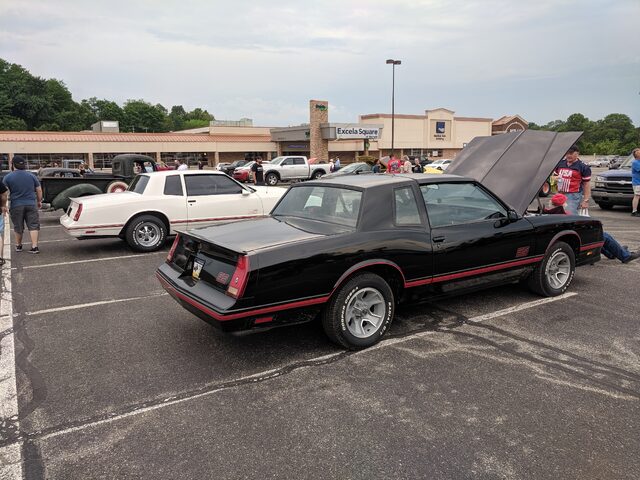 IMG_20190525_191814.jpg
-
-
From the album: Irwin PA Car Cruise - 5/25/2019


